Essential Persian Vocabulary For Family Members And Relatives

Author
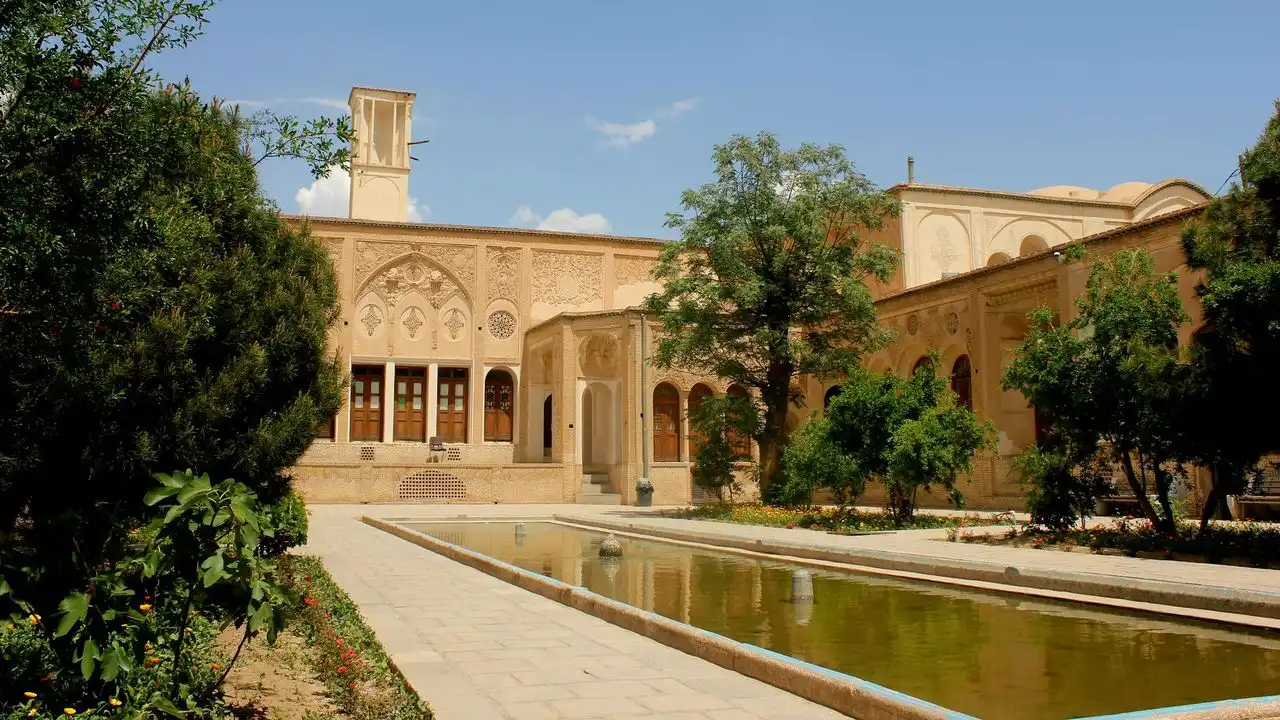
Family is the absolute cornerstone of Persian culture.
When you start speaking with native speakers, one of the first topics that’ll come up is your family.
Learning Persian family vocabulary is a little different from English because Persian has specific words depending on whether a relative is on your mother’s side or your father’s side.
This guide covers all the essential words you need to talk about your immediate and extended family in Persian.
Table of Contents:
Immediate family in Persian
The general word for “family” in Persian is خانواده (khānevādeh).
In everyday spoken Persian, you’ll also frequently hear people use the French loanword فامیل (fāmil), which usually refers to your extended family or relatives as a whole.
When talking about your parents and siblings, there’s a big difference between formal written Persian and how people actually speak every day.
Here’s a breakdown of immediate family members, including both formal and informal options:
| English | Persian | Transliteration |
|---|---|---|
| Family | خانواده | khānevādeh |
| Father (Formal) | پدر | pedar |
| Dad (Informal) | بابا | bābā |
| Mother (Formal) | مادر | mādar |
| Mom (Informal) | مامان | māmān |
| Brother (Formal) | برادر | barādar |
| Brother (Informal) | داداش | dādāsh |
| Sister (Formal) | خواهر | khāhar |
| Sister (Informal) | آبجی | ābji |
| Son / Boy | پسر | pesar |
| Daughter / Girl | دختر | dokhtar |
| Child (Informal) | بچه | bacheh |
| Child (Formal) | فرزند | farzand |
| Husband (Informal) | شوهر | shohar |
| Wife (Informal) | زن | zan |
| Spouse (Formal) | همسر | hamsar |
Notice that the words for “son” and “daughter” are the exact same words used for “boy” and “girl”.
Context or possessive pronouns (like “my boy”) will make it clear that you’re talking about your children.
While زن (zan) literally means “woman” and is used for “wife”, many speakers prefer to use خانمم (khānomam - “my lady”) or همسرم (hamsaram - “my spouse”) to sound more polite and respectful.
من یک برادر و دو خواهر دارم.
بابام معلمه و مامانم دکتره.
Grandparents and grandchildren
Creating the formal words for grandparents in Persian is very easy once you know the words for “mother” and “father”.
You simply add the word بزرگ (bozorg), which means “big” or “great”, to the end of the word.
In casual conversation, however, Iranians use much cuter, informal terms for their grandparents.
| English | Persian | Transliteration |
|---|---|---|
| Grandfather (Formal) | پدربزرگ | pedar bozorg |
| Grandpa (Informal) | بابابزرگ / آقاجون | bābā bozorg / āghā joon |
| Grandmother (Formal) | مادربزرگ | mādar bozorg |
| Grandma (Informal) | مامانبزرگ / مامانی | māmān bozorg / māmāni |
| Grandchild | نوه | naveh |
| Great-grandchild | نتیجه | natijeh |
The word for grandchild, نوه (naveh), is gender-neutral, so it applies to both grandsons and granddaughters.
جمعه میریم خونه مامانبزرگم.
Aunts and uncles (maternal vs. paternal)
This is where Persian family vocabulary gets very specific.
In English, you just have “aunt” and “uncle”.
In Persian, there’s no single word for aunt or uncle.
You must use a different word depending on whether they’re your mother’s sibling or your father’s sibling.
Furthermore, you also have specific titles for the spouses of your aunts and uncles.
| English | Persian | Transliteration |
|---|---|---|
| Paternal Uncle (Father’s brother) | عمو | amoo |
| Paternal Uncle’s Wife | زنعمو | zan-amoo |
| Paternal Aunt (Father’s sister) | عمه | ammeh |
| Paternal Aunt’s Husband | شوهرعمه | shohar-ammeh |
| Maternal Uncle (Mother’s brother) | دایی | dāyi |
| Maternal Uncle’s Wife | زندایی | zan-dāyi |
| Maternal Aunt (Mother’s sister) | خاله | khāleh |
| Maternal Aunt’s Husband | شوهرخاله | shohar-khāleh |
As you can see, the spouses are named by combining زن (zan - wife of) or شوهر (shohar - husband of) with the aunt or uncle’s title.
In Iran, children also frequently use عمو (amoo) and خاله (khāleh) to politely address adult family friends or even friendly strangers, similar to how some English speakers use “Auntie” or “Uncle”.
داییم شیراز زندگی میکنه.
Cousins in Persian
Just like with aunts and uncles, there’s no single word for “cousin” in Persian.
Instead, you literally say whose child they are using the words پسر (pesar - son) and دختر (dokhtar - daughter) combined with the specific word for that aunt or uncle.
This means there are eight different ways to say “cousin” in Persian!
Once you know the words for aunts and uncles from the section above, putting these together is just like building with Lego blocks.
| English | Persian | Transliteration |
|---|---|---|
| Paternal Uncle’s Son | پسرعمو | pesar-amoo |
| Paternal Uncle’s Daughter | دخترعمو | dokhtar-amoo |
| Paternal Aunt’s Son | پسرعمه | pesar-ammeh |
| Paternal Aunt’s Daughter | دخترعمه | dokhtar-ammeh |
| Maternal Uncle’s Son | پسردایی | pesar-dāyi |
| Maternal Uncle’s Daughter | دختردایی | dokhtar-dāyi |
| Maternal Aunt’s Son | پسرخاله | pesar-khāleh |
| Maternal Aunt’s Daughter | دخترخاله | dokhtar-khāleh |
What about nieces and nephews?
The same logic applies here.
A brother’s child is a برادرزاده (barādar-zādeh), and a sister’s child is a خواهرزاده (khāhar-zādeh).
The suffix زاده (-zādeh) means “born of”.
سارا دخترخاله من است.
In-laws and step-family
Because marriage in Persian culture is traditionally seen as the joining of two entire families, there’s a very rich vocabulary for in-laws.
The titles change depending on whether they’re the husband’s relatives or the wife’s relatives.
Here are the most common terms for in-laws and step-family members:
| English | Persian | Transliteration |
|---|---|---|
| Son-in-law / Groom | داماد | dāmād |
| Daughter-in-law / Bride | عروس | aroos |
| Mother-in-law (Husband’s mother) | مادرشوهر | mādar-shohar |
| Father-in-law (Husband’s father) | پدرشوهر | pedar-shohar |
| Mother-in-law (Wife’s mother) | مادرزن | mādar-zan |
| Father-in-law (Wife’s father) | پدرزن | pedar-zan |
| Sister-in-law (Husband’s sister) | خواهرشوهر | khāhar-shohar |
| Sister-in-law (Wife’s sister) | خواهرزن | khāhar-zan |
| Brother-in-law (Husband’s brother) | برادرشوهر | barādar-shohar |
| Brother-in-law (Wife’s brother) | برادرزن | barādar-zan |
| Stepmother | نامادری / زنبابا | nāmādari / zan-bābā |
| Stepfather | ناپدری | nāpedari |
The words عروس (aroos) and داماد (dāmād) literally mean “bride” and “groom”.
However, in Persian families, you continue to be referred to as the “bride” or “groom” of the family for your entire life, as the official translation for daughter-in-law and son-in-law.
For step-family, adding the prefix نا (nā-) is the formal way to indicate a step-relationship, such as نابرادری (nābarādari) for stepbrother.
مادرشوهرم خانم خیلی مهربونیه.
Regional variations in Dari and Tajik
While the formal words like پدر (pedar) and مادر (mādar) are understood across all Persian-speaking regions, everyday spoken words for family vary quite a bit in Afghanistan (Dari) and Tajikistan (Tajik).
In Afghan Dari, people frequently use کاکا (kākā) instead of amoo for a paternal uncle, and ماما (māmā) instead of dāyi for a maternal uncle.
To say “brother” in informal Dari, you’ll often hear لالا (lālā) or بیادر (biyādar).
For grandfather in Afghanistan, بابه کلان (bāba kalān) is very common, using the Dari word کلان (kalān) for “big” instead of bozorg.
In Tajik Persian, spoken in Tajikistan, you’ll hear оча (ocha) or ая (aya) for mom, and дада (dada) for dad in casual speech.
For an older brother in Tajik, people use ака (aka), and for an older sister, they use апа (apa), which are borrowed from neighboring Turkic languages.
Cultural tips for talking about family
There are a few fun cultural quirks to keep in mind when using these words with native speakers.
First, you’ll notice that Persian parents frequently call their own children by their own titles!
For example, a father might call his son or daughter بابا (bābā - dad), and a mother might call her child مامان (māmān - mom).
This is known as “reverse addressing”, and it’s an extremely common way to show deep affection to children and even grandchildren.
بیا اینجا مامان.
Second, you’ll almost always hear the word جان (jān) or its spoken version جون (joon) attached to the end of family titles.
This word literally means “soul” or “life”, and it translates to “dear”.
Calling your grandmother مامانبزرگ (māmān bozorg) is completely fine, but calling her مامانجون (māmān joon) sounds much warmer and more natural.
You can attach jān or joon to almost any family member’s title or name, such as عموجون (amoo joon - dear uncle) or خالهجان (khāleh jān - dear aunt).
Start by memorizing the immediate family members first, and then slowly work your way out to the aunts, uncles, and cousins.